

Dental emergencies can occur unexpectedly and strike at any time. It does not matter if it is a sudden toothache, a broken tooth, or an injury to your mouth or teeth; knowing how to respond to a dental emergency within the first 30 minutes can substantially affect the pain you are experiencing and the future problems that may occur. In case of a dental emergency, being knowledgeable about the best way to treat your current symptoms and your injury can help relieve pain and prevent future damage to your teeth or mouth.
If you live in or around Burtonsville, MD, you can reach Drewyer Dentistry at (301) 635-1601 for help.
Actions Required Immediately After A Dental Emergency Occurs
The first reaction to a dental emergency is to panic; however, remaining calm and focused is essential. Once calm, here are immediate steps to take:
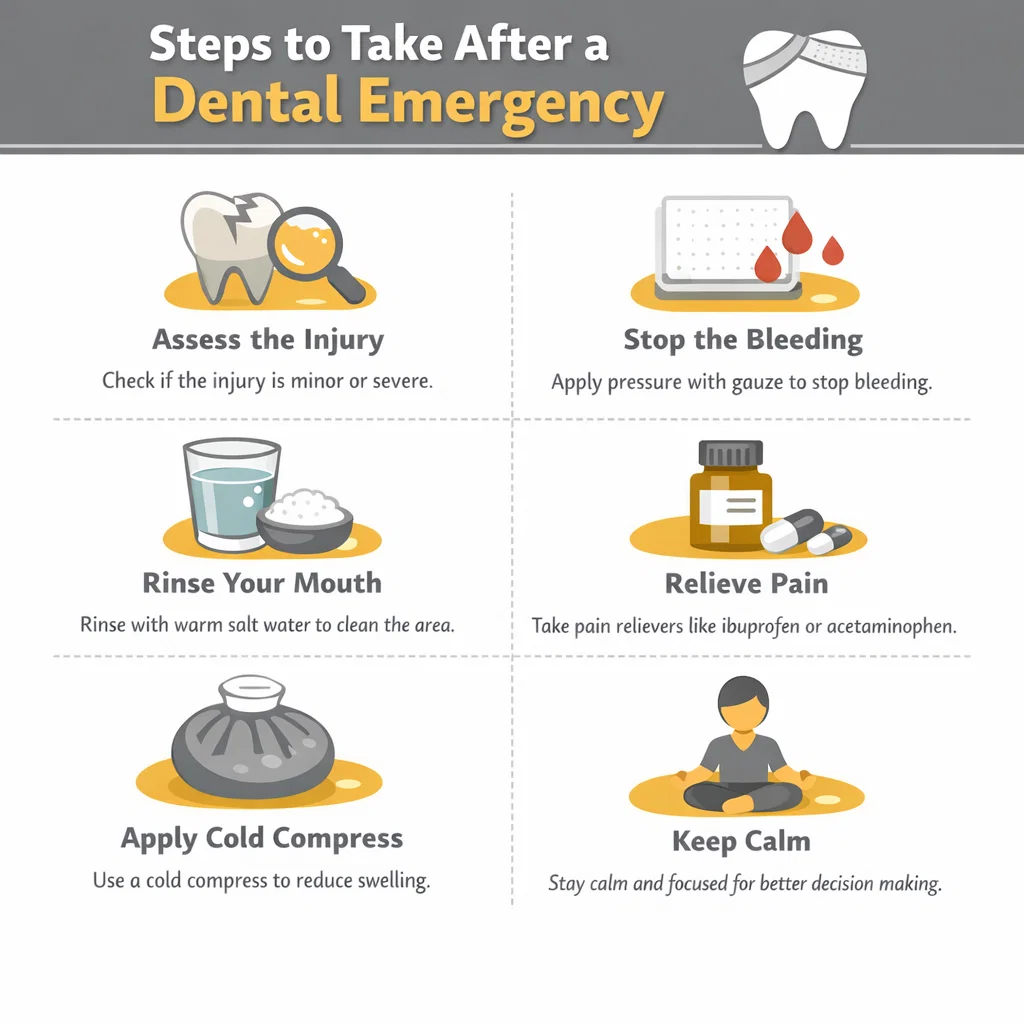
- Evaluate the Situation: Assess whether the current injury is minor (a mild chip) or if you have moderate-to-severe pain or bleeding.
- Stop Bleeding: If your injury is bleeding, apply gentle pressure to the wound site with a clean cloth or gauze. While applying pressure to the wound, keep your head elevated above the wound and your heart to slow blood flow to the injury site.
- Rinse Your Mouth: Rinsing your mouth with warm salt water can help cleanse the wound area and reduce the risk of you developing an infection after the injury, especially if debris is left in your mouth or healing occurs incorrectly.
- Relieve Your Pain: Over-the-counter pain medications such as ibuprofen or acetaminophen can help you manage your current discomfort. Do not place aspirin directly on your gums, as it can irritate the gum tissue.
- Cold Compress: If you experience swelling as a result of your injury, you can help decrease the amount of swelling you experience by applying a cold compress to the outside of your jaw next to the injured area for approximately 15 – 20 minutes.
Why Have an Emergency Dentist?
Knowing an emergency dentist is vital for anyone living in the area. Here’s why:
- Fast Access to Care: A local emergency dentist can provide prompt care in the event of a dental emergency. Reaching out to someone you know who can quickly provide the necessary dental care and support is key.
- Knowledgeable about Local Resources: An emergency dentist who knows the Burtonsville community can assist you in determining what local resources are available, such as pharmacies where you can fill medication or dental specialists when they are required.
- Trusted Community Provider: Local emergency dentists will have established relationships with many of their patients and can provide the level of oral care required because you can communicate effectively about your emergency.
Common Types of Dental Emergencies
Identifying common types of dental emergencies can help you determine the issue you are facing and how best to respond. Below are several examples of dental emergencies you may have experienced:
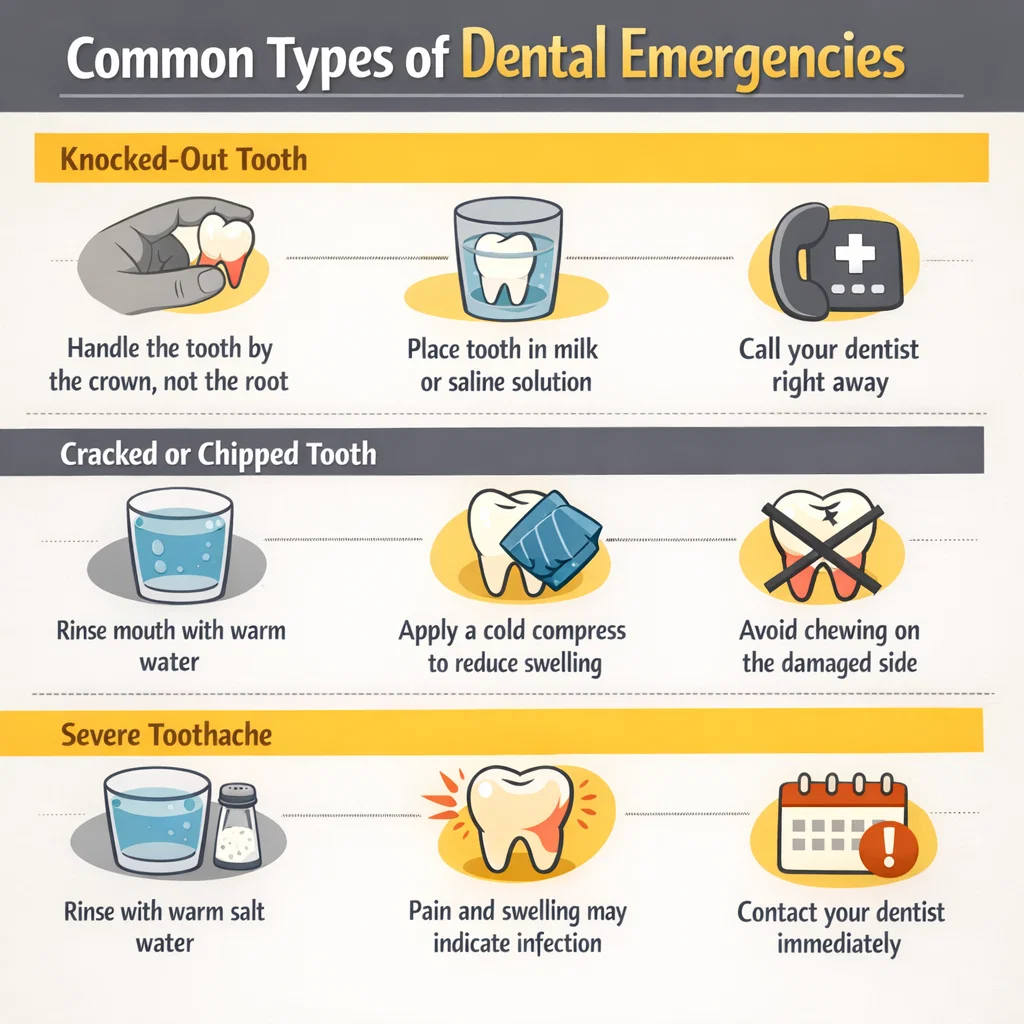
- Knocked-Out Tooth: If you are facing a knocked-out tooth, be sure to handle the tooth by the crown (visible portion of the tooth) and not the root. Rinse the tooth gently with water, then try to place it back in its original position. If this is not possible, place the tooth in a container filled with milk or saline solution, and call your dentist to schedule an appointment as soon as possible.
- Cracked or Chipped Tooth: Rinse your mouth with warm water and apply a cold compress to your face to help reduce swelling. Do not chew food on the side of the cracked or chipped tooth until you have been to your dentist.
- Severe Toothache: A severe toothache could indicate a serious underlying condition, such as an abscessed tooth. Start by rinsing your mouth with warm salt water. Contact your dentist immediately to schedule an appointment.
Prepping for the Unexpected
Even though it’s impossible to know when a dental crisis will occur, you can be ready for one by taking these proactive measures.
- Emergency Dental Contact Information: Keep your emergency dentist’s phone number handy. Add them to your mobile contacts or write down their number so it’s always visible in your home.
- Have a Dental Emergency Kit: Include items like gauze, a cold pack, dental cement, and pain relievers. This can help you manage minor emergencies at home.
- Stay Informed: Regular check-ups with your dentist can help you avoid a crisis because you can catch problems that may lead to a dental crisis before they require immediate attention.
Conclusion: Be Prepared & Stay Calm
Knowing how to handle the first 30 minutes after a dental emergency will greatly improve your chances of recovery. So remember, remain calm; assess the severity of the situation, and seek help from a local dentist as soon as possible. If you’re not sure what to do, call a dentist for assistance.
Call us at (301) 635-1601. Let us help you when you need care the most!
Common Questions People Ask
1. What should I do if I knock out a tooth?
Handle the tooth by the crown, rinse it gently, and try to place it back in the socket. If that’s not possible, keep it in milk and contact your dentist immediately.
2. How can I manage severe tooth pain at home?
Rinse with warm salt water, take over-the-counter pain relievers, and apply a cold compress to the area.
3. What is considered a dental emergency?
Any situation that involves severe pain, bleeding, or trauma to the teeth or gums is considered a dental emergency.
4. How can I prevent dental emergencies?
Regular dental check-ups, good oral hygiene, and wearing a mouthguard during sports can help prevent emergencies.
5. What should I do if I lose a filling?
Keep the area clean and use dental cement to temporarily hold the filling in place until you see your dentist.
6. Are dental emergencies common?
Yes, dental emergencies can happen to anyone and often occur unexpectedly.