
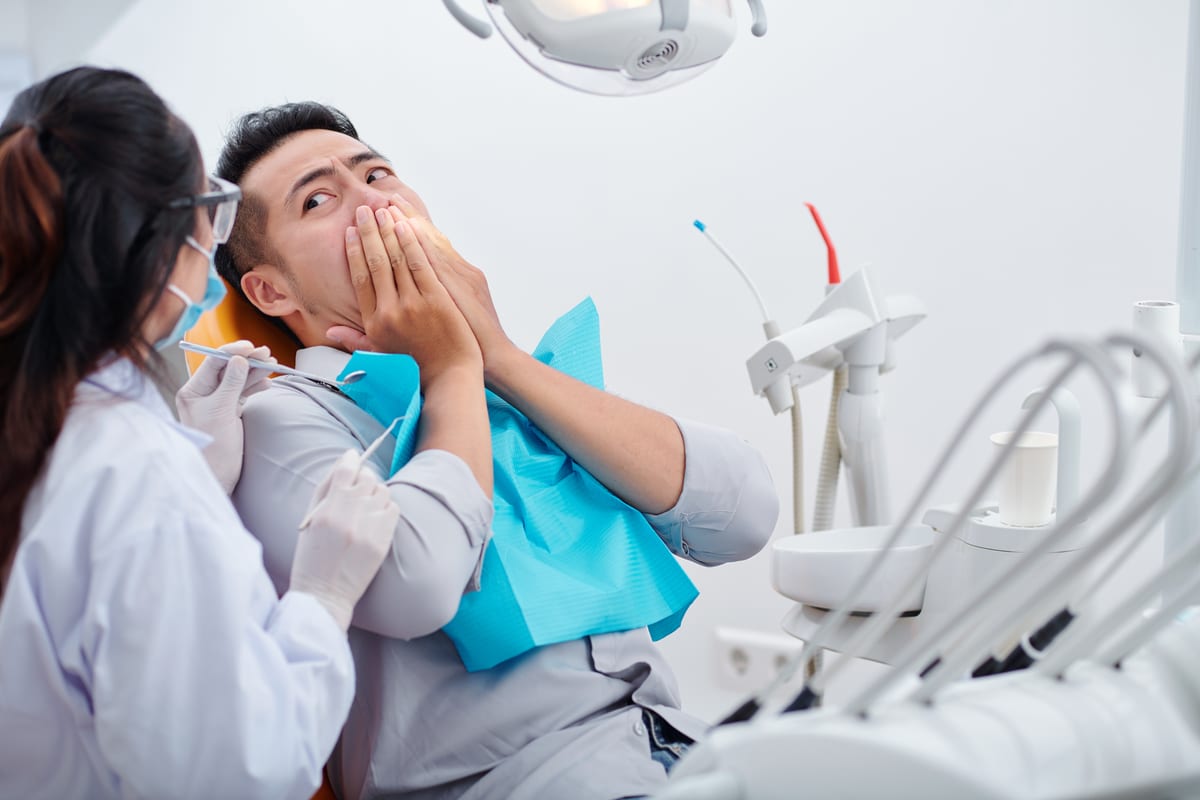
Tooth pain can strike at the worst possible moment. One minute you are eating dinner, and the next you are wondering whether to call a dentist immediately or wait until morning. If you have ever asked yourself, is your tooth pain a dental emergency: a quick triage guide Burtonsville residents can actually use — you are in the right place. At Drewyer Dentistry Burtonsville, Dr. Austin D. Drewyer helps patients understand when pain demands urgent attention and when it can safely wait.
This guide is designed to be calm, clear, and practical. We will walk you through the most common dental situations and help you decide what to do next.
What Counts as a True Dental Emergency in Burtonsville?
Not every toothache is an emergency. However, some situations genuinely cannot wait. A true dental emergency involves severe pain, uncontrolled bleeding, swelling, or a risk of permanent damage to your teeth or jaw.
Here are situations that typically require same-day or urgent dental care:
- Severe, throbbing tooth pain that does not respond to over-the-counter pain relievers
- A knocked-out permanent tooth
- Significant facial swelling, especially near the jaw or cheek
- Uncontrolled bleeding in the mouth lasting more than 10 minutes
- A dental abscess with visible swelling or fever
- A cracked or broken tooth with sharp edges causing soft tissue injury
If you experience any of these, contact Drewyer Dentistry Burtonsville right away. Do not wait to see if it improves on its own. Some of these conditions, particularly abscesses, can become life-threatening without treatment.
Triage Guide: Swelling and Facial Pain
Swelling near your jaw or cheek is one of the clearest signs of a dental emergency. It often signals an infection or abscess deep within the tooth or surrounding gum tissue. Left untreated, infections can spread rapidly to your neck, throat, or even your airway.
Ask yourself these questions if you notice swelling:
- Is the swelling growing larger over a few hours?
- Do you have a fever, difficulty swallowing, or trouble opening your mouth?
- Is the swollen area hot to the touch or visibly red?
If you answered yes to any of these, treat this as an emergency. Call our office immediately for same-day care. If swelling is making it hard to breathe or swallow, go directly to your nearest emergency room.
Mild, localized swelling without fever may be less urgent. However, it still warrants a dental appointment within 24 hours. Never ignore swelling near the jaw or face — it rarely resolves without professional treatment.
Is Your Tooth Pain a Dental Emergency: Understanding Bleeding and Loose Teeth
Bleeding gums during brushing is fairly common and not usually an emergency. However, heavy or persistent bleeding after a dental procedure or injury is a different matter entirely. Apply firm pressure with a clean cloth or gauze for 10 to 15 minutes. If bleeding does not stop, contact our office or go to urgent care.
A loose permanent tooth in an adult is always an urgent situation. Adult teeth should not wiggle. A loose tooth often signals advanced gum disease, injury, or significant bone loss. The faster you act, the better the chance of saving the tooth.
For children, a loose baby tooth is rarely an emergency. Natural shedding is normal. However, if a child’s permanent tooth is loose due to an injury or fall, treat that as urgent and seek care the same day.
If a crown or filling has fallen out, that is not usually a life-threatening emergency. Still, leaving it untreated exposes sensitive tooth structure to bacteria and pain. Crowns Bridges Burtonsville services at Drewyer Dentistry can quickly restore and protect your damaged tooth before further harm occurs.
What to Do When You Are Not Sure: Pain Levels and Self-Assessment
Pain is highly personal. What feels unbearable to one person may be manageable for another. Use this simple scale to guide your decision-making.
- Mild pain (1–3 out of 10): Sensitivity to hot or cold that passes quickly — schedule a routine appointment within the week
- Moderate pain (4–6 out of 10): Consistent aching that disrupts sleep or eating — call our office for a priority appointment within 24–48 hours
- Severe pain (7–10 out of 10): Throbbing pain that nothing relieves — this is a dental emergency, call immediately
Trust your body. If you feel something is seriously wrong, it probably is. It is always better to call and let Dr. Drewyer evaluate the situation than to wait and risk worsening damage.
Some patients in Burtonsville delay care because they are unsure whether their concern is legitimate. At Drewyer Dentistry, no concern is too small. We would rather reassure you than have you suffer unnecessarily at home.
How Drewyer Dentistry Burtonsville Handles Dental Emergencies
Dr. Austin D. Drewyer and the team at Drewyer Dentistry Burtonsville understand that dental emergencies are stressful. Our goal is to see emergency patients as quickly as possible. We offer same-day appointments for urgent situations whenever our schedule allows.
When you call, our team will ask you a few quick questions to understand the severity of your situation. This helps us prepare appropriately for your arrival and make sure you are comfortable the moment you walk in.
Beyond emergency care, we also offer a full range of preventive and restorative services to help you avoid future emergencies. Many patients find it helpful to establish care with us before a crisis occurs. As a Delta Dental Dentist Burtonsville provider, we make it easy for our community to access quality dental care close to home.
Prevention is always easier than emergency treatment. Regular checkups help Dr. Drewyer catch problems early — before they become painful, costly, or urgent.
Conclusion: Know When to Act, Know Who to Call
Dental emergencies happen without warning. Knowing the difference between a situation that needs same-day care and one that can wait helps you stay calm and make the right choice. Severe pain, facial swelling, uncontrolled bleeding, and loose adult teeth all call for immediate attention. Mild sensitivity and minor discomfort usually allow for a scheduled appointment within a few days.
The most important thing you can do is never ignore symptoms. Early treatment almost always leads to better outcomes. Dr. Austin D. Drewyer and the entire team at Drewyer Dentistry Burtonsville are here to help you through every dental situation — urgent or routine. Book Now to schedule your appointment with our team.
Frequently Asked Questions
How do I know if my toothache is a dental emergency?
A toothache is likely a dental emergency if the pain is severe, constant, or throbbing and does not respond to over-the-counter pain relief. Signs like facial swelling, fever, or a foul taste in the mouth suggest an abscess, which requires same-day attention. When in doubt, call Drewyer Dentistry Burtonsville for guidance.
What should I do if my tooth gets knocked out?
Pick up the tooth by the crown, not the root. Gently rinse it with clean water without scrubbing. Try to place it back in the socket or keep it moist in a small container of milk. Contact a dentist immediately — ideally within 30 minutes — for the best chance of saving the tooth.
Is a cracked tooth a dental emergency?
It depends on the severity. A minor chip without pain can usually wait for a scheduled appointment. A deeply cracked tooth causing sharp pain, sensitivity, or bleeding gum tissue should be evaluated urgently. Cracks can worsen quickly and may eventually require a crown or root canal if left untreated.
Can a dental abscess go away on its own?
No. A dental abscess will not resolve without professional treatment. Antibiotics alone may reduce symptoms temporarily, but the underlying infection requires proper dental care to clear completely. Untreated abscesses can spread to surrounding tissue and become a serious health risk. Seek care as soon as possible.
What counts as a non-emergency dental issue?
Minor tooth sensitivity to hot or cold that passes quickly, a small chip with no pain, or a lost filling without discomfort are generally non-urgent. These situations still need attention but can typically wait a few days for a scheduled appointment. Call Drewyer Dentistry Burtonsville to describe your symptoms and confirm the best next step.