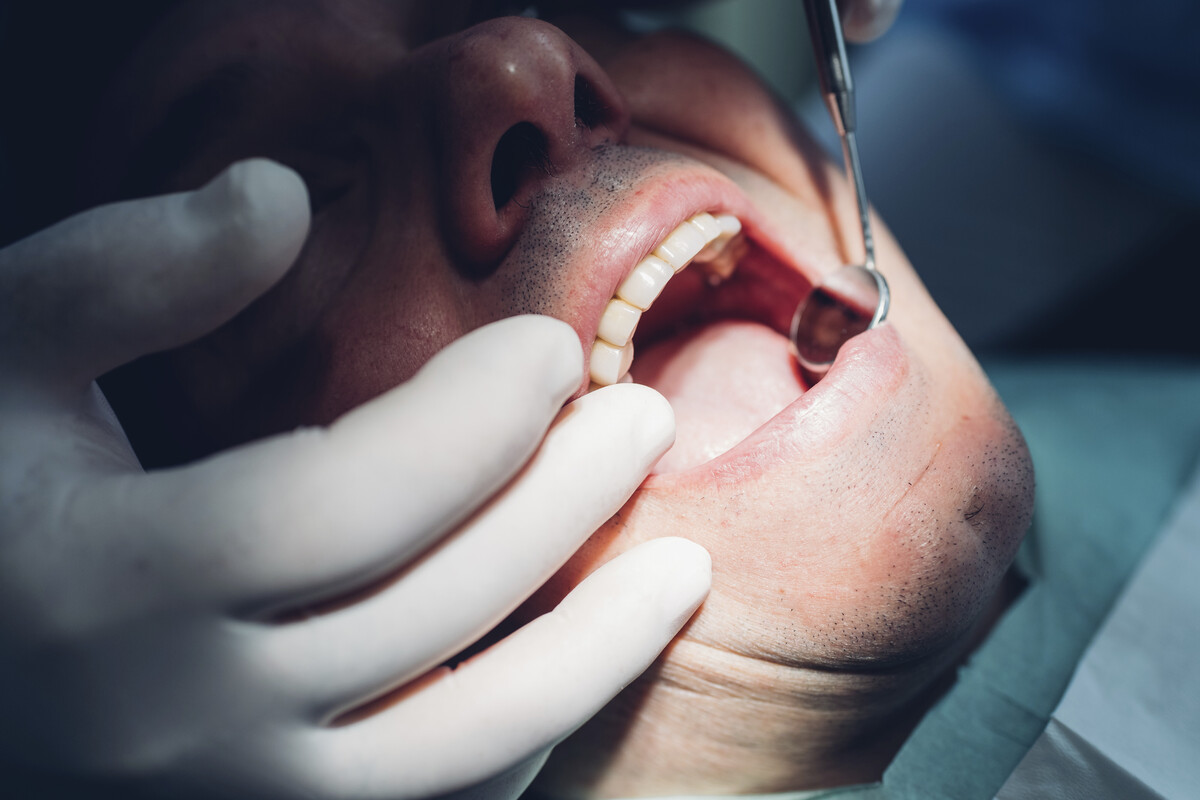
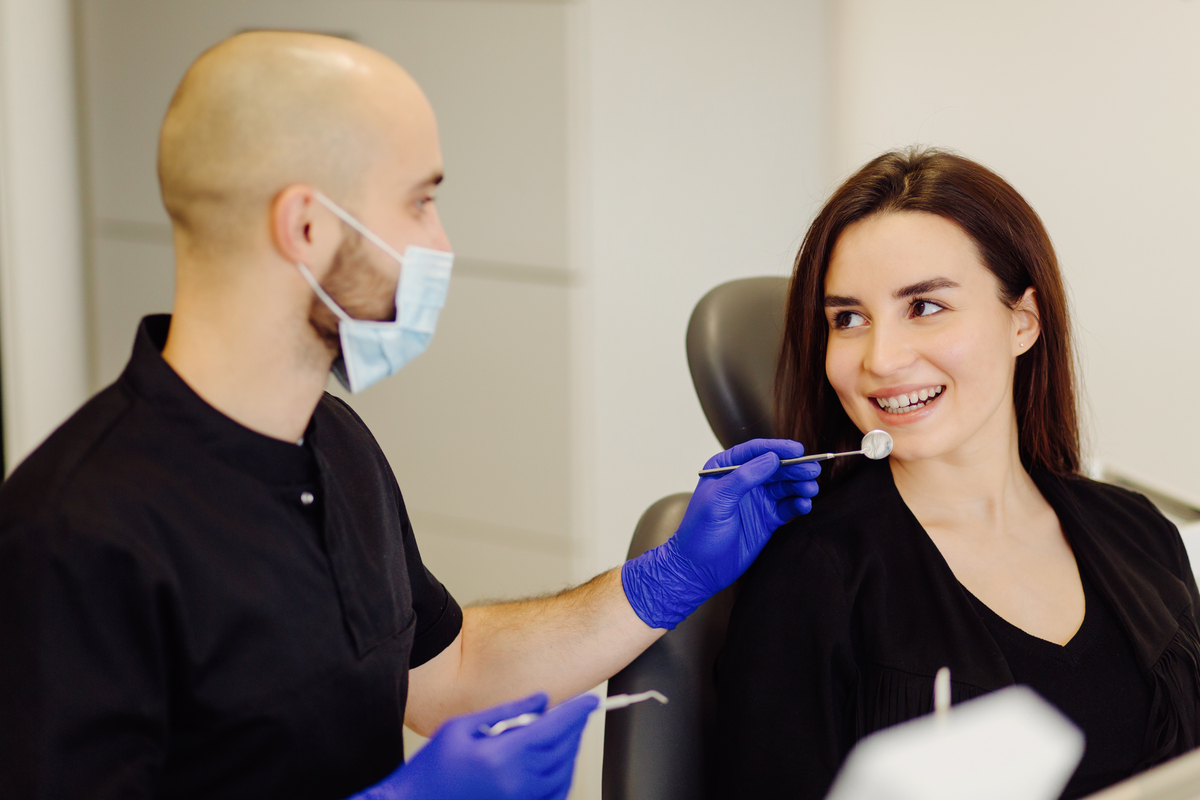
A healthy smile means different things at different stages of life. For a child, it’s about protecting growing teeth. For adults, it’s often about restoring strength and confidence. For seniors, it’s about comfort, function, and preserving independence. One treatment that quietly supports all these needs is the dental crown.
If you live in Burtonsville, MD, you’ve probably seen neighbors juggling school drop-offs near Burtonsville Crossing, long commutes along Route 29, and busy weekends at Fairland Regional Park. Dental care has to fit into real family life—and solutions need to last. That’s where crowns often come in.
In this guide, we’ll walk through how crowns help patients of every age, what local families should know before treatment, and how the right care can keep smiles strong for years to come.
What Is a Dental Crown, Really?
A dental crown is a custom-made cap that fits over a tooth to restore its shape, strength, and appearance. It’s not just cosmetic, it protects teeth that are weakened by decay, cracks, or large fillings.
Modern crowns are designed to blend naturally with your smile. Most people around you at the grocery store or school event wouldn’t even know someone has one.
Why Crowns Are Used at Different Ages
For Children and Teens
Kids are active. Between sports at Burtonsville Community Park and everyday accidents, teeth can chip or decay faster than parents expect.
Crowns may be recommended when:
- A baby tooth has severe decay
- A permanent tooth is cracked or weakened
- A tooth has had nerve treatment and needs protection
Crowns help preserve spacing, protect developing bites, and avoid more complex orthodontic issues later.
For Adults Balancing Work and Family
Adults often delay care while managing careers, kids, and household responsibilities. Over time, untreated decay or old fillings can weaken teeth.
Crowns are commonly used for:
- Teeth with large fillings
- Cracked or worn teeth from grinding
- Teeth treated with root canal therapy
- Improving the look of misshapen or discolored teeth
A well-placed crown restores strength so you can eat comfortably and smile confidently—without worrying about sudden tooth pain during a busy workday.
For Seniors Wanting Comfort and Stability
As we age, teeth naturally experience wear. Previous dental work may need reinforcement, and comfort becomes a top priority.
Crowns can:
- Strengthen aging teeth
- Support dental bridges
- Improve chewing efficiency
- Help maintain clear speech
For many older Burtonsville residents, crowns are key to staying active and enjoying meals with family without discomfort.
What Are Dental Crowns Made Of?
Today’s crowns are far from one-size-fits-all. Materials are chosen based on durability, appearance, and location in the mouth.
Common options include:
- Porcelain or ceramic – natural-looking, great for front teeth
- Porcelain-fused-to-metal – strong with a natural appearance
- Zirconia – extremely durable and increasingly popular
- Metal (gold or alloy) – long-lasting, often used for back teeth
Your dentist will recommend what fits your tooth, bite, and lifestyle.
The Crown Process: What to Expect
Many patients worry that getting a crown is complicated. In reality, it’s very manageable.
Here’s a simple breakdown:
- Evaluation & imaging to assess the tooth
- Tooth preparation to make room for the crown
- Digital or physical impressions
- Temporary crown placement
- Final crown placement and adjustment
Most patients return to normal routines quickly—often the same day.
Tips for Making Your Crown Last
A crown can last many years with the right care. Simple habits make a big difference:
- Brush twice daily with fluoride toothpaste
- Floss gently around the crown
- Avoid chewing ice or very hard foods
- Wear a nightguard if you grind your teeth
- Keep up with routine dental checkups
Crowns protect teeth, but they still need care.
When Should You Consider a Crown?
You might need a crown if you notice:
- Pain when chewing
- A cracked or broken tooth
- A large filling that keeps failing
- Discoloration that doesn’t respond to whitening
Ignoring these signs can lead to bigger problems later.
Strong, healthy teeth support every stage of life—from childhood milestones to family dinners and beyond. If you or a loved one may need a crown, getting care early can save time, discomfort, and cost down the road.
Drewyer Dentistry proudly serves Burtonsville families with personalized, people-first dental care. If you want guidance you can trust, now is a great time to schedule an appointment.
Call us at (301) 477-8995 or book online to protect your smile for years to come.
Common Questions From Local Families
At what age is a dental crown usually recommended?
There isn’t a specific age requirement for a dental crown. A crown is recommended based on the condition of the tooth, not age. If a tooth is weakened, cracked, or has extensive decay, a crown may be the best option whether the patient is a child, adult, or senior.
When should parents consider a crown instead of a filling?
A crown may be recommended when a filling alone isn’t strong enough to protect the tooth. This often happens if decay is extensive, a tooth has fractured, or the tooth has undergone nerve treatment. Crowns provide full coverage, which helps prevent further damage.
Are dental crowns safe for children and teenagers?
Yes. Dental crowns are commonly and safely used in children and teens when a tooth needs extra protection. Pediatric and family dentists carefully choose materials and designs that are appropriate for growing mouths, helping protect teeth until they naturally fall out or mature fully.