If you’ve been searching for answers about what dental veneers actually fix — and what they don’t — in Burtonsville, you’re not alone. Many patients come to Drewyer Dentistry with questions about this popular cosmetic treatment. Veneers can make a dramatic difference for the right candidate. But they aren’t a universal fix for every dental concern.
Dr. Austin D. Drewyer helps patients in Burtonsville, MD understand exactly what veneers can and cannot do. That way, you can make a confident, informed decision about your smile. This guide walks you through the basics, the benefits, and the honest limitations of dental veneers.
What Are Dental Veneers, Exactly?
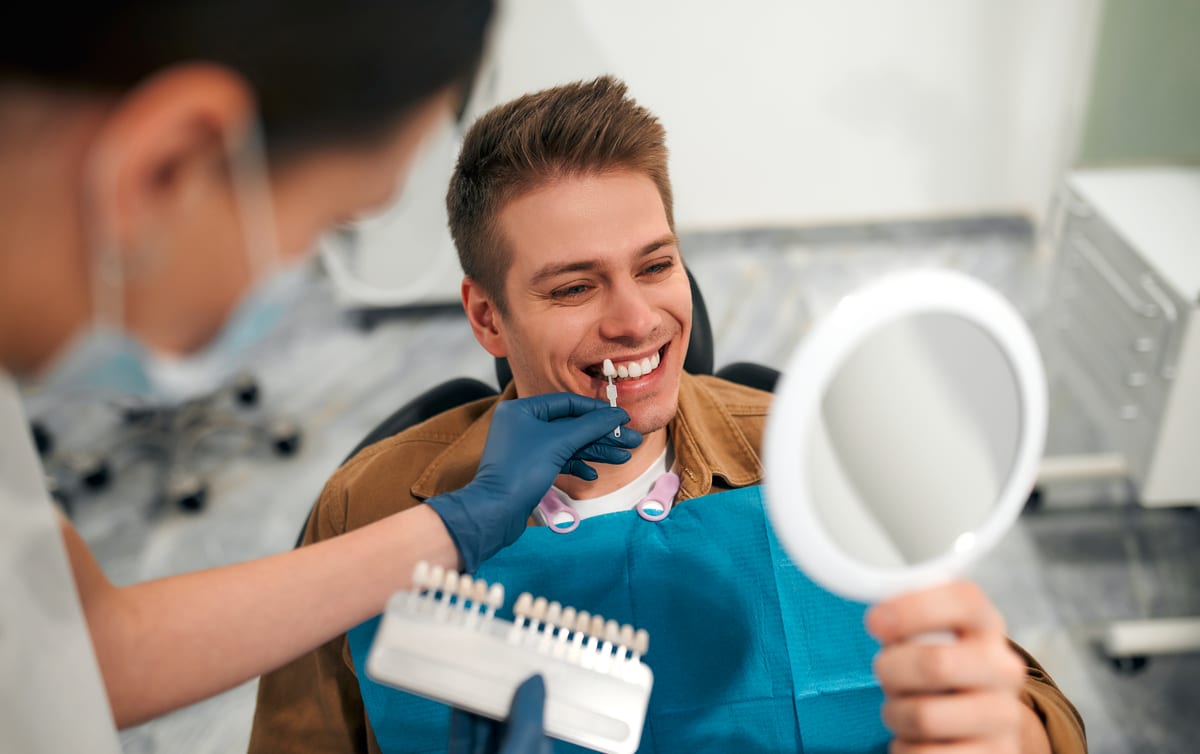
Dental veneers are thin, custom-made shells that bond to the front surface of your teeth. They are typically made from porcelain or composite resin. Porcelain veneers are the most popular choice because they closely mimic natural tooth enamel.
The placement process usually requires minimal tooth preparation. Your dentist removes a very small amount of enamel from the tooth surface. This creates a secure bonding surface for the veneer. Once placed, veneers look and feel like natural teeth.
Veneers are considered a cosmetic dental treatment. They do not treat underlying dental health issues on their own. They are designed to improve the appearance of teeth that are already structurally sound.
What Dental Veneers in Burtonsville Can Actually Fix
Veneers address a wide range of cosmetic concerns. Here is a clear breakdown of what they are designed to correct:
- Discoloration: Veneers cover deep stains that teeth whitening cannot remove. This includes staining from medications, fluorosis, or aging.
- Chips and cracks: Small chips or minor surface cracks can be hidden with a veneer shell.
- Gaps between teeth: Veneers can close small spaces between front teeth without orthodontics.
- Uneven or irregular shapes: Teeth that are too short, too small, or oddly shaped can be resized with veneers.
- Mild crowding or misalignment: Minor crookedness can appear corrected with carefully designed veneers.
- Worn enamel: Teeth worn down over time can be restored cosmetically with veneers.
The results can be dramatic. Many patients choose veneers because they want a complete smile transformation. A full set of veneers creates a uniform, bright, and natural-looking smile. This is why veneers are one of the most requested cosmetic treatments at our Burtonsville office.
What Dental Veneers Cannot Fix
It is just as important to understand the limitations of veneers. Not every dental problem is a good candidate for this treatment. Being honest about this is part of how Dr. Drewyer approaches patient education.
Veneers are not a solution for the following issues:
- Tooth decay: Active cavities must be treated before veneers are placed. You cannot veneer over a decayed tooth.
- Gum disease: Unhealthy gums make veneer placement inappropriate. Periodontal health must be restored first.
- Severely broken or damaged teeth: Teeth with major structural damage may need a Crowns Bridges Burtonsville restoration instead.
- Significant misalignment: Moderate to severe crowding or bite problems require orthodontic treatment, not veneers.
- Teeth grinding (bruxism): Patients who grind heavily risk cracking or dislodging veneers over time.
- Insufficient enamel: Veneers require enough natural enamel to bond to. Too little enamel makes placement risky.
Understanding these limitations protects you from investing in a treatment that won’t solve your real problem. A thorough evaluation with Dr. Drewyer ensures you receive the most appropriate recommendation for your situation.
How Veneers Compare to Other Cosmetic Options in Burtonsville
Patients sometimes wonder whether veneers, crowns, or teeth whitening are the right choice. Each treatment serves a different purpose. Knowing the difference helps you ask better questions during your consultation.
Teeth whitening is ideal for surface staining. It works well when teeth are structurally healthy and alignment is good. However, whitening does not change tooth shape or close gaps.
Dental crowns cover the entire tooth, not just the front surface. They are better suited for teeth that are severely damaged or weakened. Veneers are a more conservative option when the tooth structure is still mostly intact. If you’re unsure which option fits your needs, a consultation at Drewyer Dentistry will clarify everything.
Invisalign straightens teeth but does not change their color or shape. Some patients choose Invisalign first, then add veneers afterward for a complete transformation. Combining treatments strategically often produces the best long-term results.
Are You a Good Candidate for Veneers in Burtonsville?
Good candidates for veneers share a few key traits. They have generally healthy teeth and gums. They want to improve specific cosmetic concerns rather than address structural damage.
You may be a strong candidate if you have stained, chipped, or slightly misaligned front teeth. You should also be committed to good oral hygiene after placement. Veneers require daily brushing, flossing, and regular dental visits to stay in great condition.
Patients who grind their teeth may still qualify with the right protective measures. Dr. Drewyer may recommend a custom night guard to protect your investment. The goal is always to set you up for long-term success.
Whether you’re just curious or ready to move forward, starting with a conversation is the right first step. Our team at Drewyer Dentistry in Burtonsville takes time to understand your goals before recommending any treatment plan.
Conclusion
Dental veneers are one of the most effective cosmetic tools in modern dentistry. They fix discoloration, chips, gaps, uneven shapes, and more. But they work best when your underlying dental health is already in good shape. Veneers are not a substitute for treating decay, gum disease, or significant bite problems. At Drewyer Dentistry Burtonsville, Dr. Austin D. Drewyer helps patients find the right solution — not just the popular one. Book Now to schedule your appointment with our team.
Frequently Asked Questions
How long do dental veneers last?
Porcelain veneers typically last 10 to 15 years with proper care. Composite veneers may last 5 to 7 years. Regular dental visits and good at-home hygiene extend their lifespan significantly.
Do veneers require a lot of tooth removal?
Traditional veneers require removing a small, thin layer of enamel — usually less than a millimeter. This is a permanent change to your tooth. Some no-prep or minimal-prep veneers are available for select patients, which your dentist can evaluate during a consultation.
Can veneers fix a cavity?
No. Veneers cannot fix cavities. Any active decay must be treated first before veneers are placed. Placing a veneer over a cavity would allow the decay to worsen underneath.
Are veneers the same as crowns?
No, they are different. Veneers cover only the front surface of a tooth. Crowns cap the entire tooth. Crowns are typically recommended when a tooth has significant structural damage or decay. Veneers are a more conservative cosmetic option for healthier teeth.
Is the veneer process painful?
Most patients experience little to no discomfort during veneer placement. Local anesthesia is used during the enamel preparation stage. Some mild sensitivity may occur in the days after placement, but it typically fades quickly.