Dental Implants Burtonsville: A Complete Guide to Replacing Missing Teeth
If you are missing one or more teeth, you are not alone. Many adults in Burtonsville, MD deal with this challenge every day. Dental implants Burtonsville patients trust have become one of the most reliable solutions available in modern dentistry. At Drewyer Dentistry Burtonsville, Dr. Austin D. Drewyer helps patients understand their options and make confident decisions about their oral health.
What Are Dental Implants and How Do They Work?
A dental implant is a small titanium post. It is placed directly into the jawbone where a tooth root once was. Over time, the implant fuses with the bone in a process called osseointegration. This creates a stable, permanent foundation for a replacement tooth.
Once the implant has healed, a custom crown is attached on top. The result looks, feels, and functions just like a natural tooth. Many patients are surprised by how seamlessly implants blend with their smile. You can explore real patient results in our Smile Gallery.
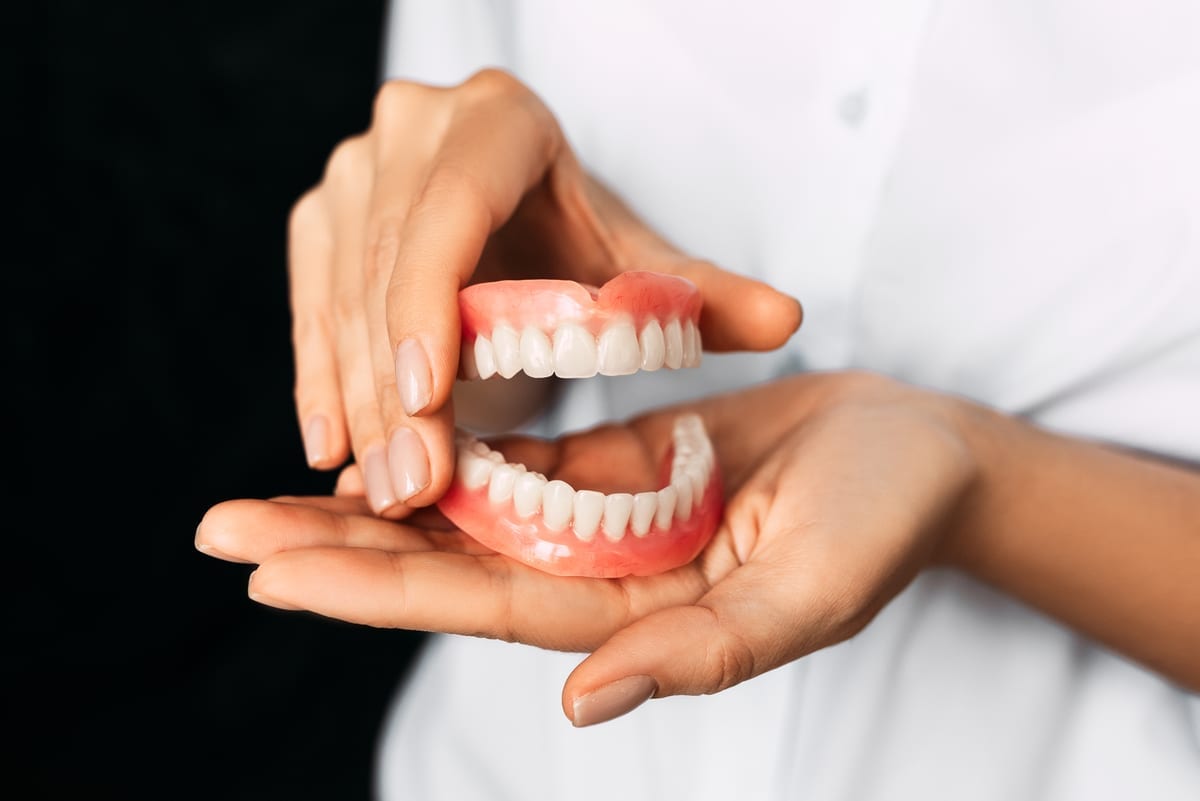
Implants are different from dentures or bridges. They do not rely on neighboring teeth for support. They stand independently, just like your natural teeth once did.
Why Dental Implants Burtonsville Patients Choose This Option
There are many reasons why patients in Burtonsville prefer implants over other tooth replacement options. The benefits go far beyond appearance. Implants support your jaw health in ways that other options simply cannot match.
Here are some of the key benefits of dental implants:
- They prevent bone loss in the jaw after tooth loss
- They do not shift or slip like traditional dentures
- They preserve the structure of surrounding teeth
- They can last a lifetime with proper care
- They restore full chewing function and bite strength
- They look and feel completely natural
Bone loss is one of the most overlooked consequences of tooth loss. When a tooth root is gone, the jawbone beneath it begins to shrink. Implants stimulate the bone just like natural roots do. This keeps your jaw strong and your facial structure intact.
Who Is a Good Candidate for Dental Implants?
Most healthy adults are good candidates for dental implants. However, certain factors affect whether implants are the right fit for you. Dr. Drewyer will evaluate your oral and overall health before making any recommendations.
Good candidates typically share these characteristics:
- Sufficient jawbone density to support the implant
- Healthy gum tissue free from active disease
- No uncontrolled systemic health conditions that affect healing
- A commitment to good oral hygiene habits
- Non-smokers or those willing to quit before treatment
If you have gum disease, it may need to be treated before implant placement. Untreated gum disease can significantly affect implant success. Learn more about protecting your gums on our Periodontal Disease page.
Patients who have experienced significant bone loss may need a bone graft first. This is a common preparatory step. Dr. Drewyer will discuss any preliminary procedures during your consultation.
What to Expect During the Dental Implant Process
The dental implant process takes place over several months. Each phase is important and cannot be rushed. Understanding the timeline helps patients feel more prepared and less anxious.
Here is a general overview of what the process looks like:
- Initial Consultation: Dr. Drewyer reviews your dental history, takes X-rays, and creates a treatment plan.
- Implant Placement: The titanium post is surgically placed into the jawbone under local anesthesia.
- Healing Period: The implant fuses with the bone over three to six months.
- Abutment Placement: A small connector piece is attached to the top of the implant.
- Crown Placement: A custom-made crown is secured to complete your new tooth.
Most patients find the procedure more comfortable than they expected. Discomfort after surgery is usually manageable with over-the-counter pain relief. Dr. Drewyer and his team provide clear aftercare instructions to support your recovery.
You can read more about what the full restoration process involves on our Implants Restorations page.
Caring for Your Dental Implants Long-Term
One of the greatest advantages of dental implants is how easy they are to maintain. You care for them just like your natural teeth. Brushing, flossing, and regular dental checkups are all that is needed.
Avoid chewing on extremely hard foods like ice or hard candy. These habits can damage both natural teeth and implant crowns. Routine visits to Drewyer Dentistry Burtonsville allow Dr. Drewyer to monitor your implants and catch any concerns early.
With proper care, dental implants can last 20 years or more. Many patients keep their implants for a lifetime. This makes implants one of the most cost-effective long-term solutions for tooth loss.
Good oral hygiene habits protect not just your implant but your entire smile. Pairing implants with strong preventive habits is the best way to protect your investment. Explore our tips on maintaining your oral health on the Preventive Care page.
Is There a Right Time to Get Dental Implants?
The best time to get a dental implant is as soon as possible after tooth loss. The longer you wait, the more bone loss can occur. Acting sooner helps preserve your jaw structure and simplifies the procedure.
That said, it is never too late to explore implants. Many patients in their 60s and 70s successfully receive implants. Age alone does not disqualify someone from this treatment.
If you have been living with a gap in your smile for years, do not feel discouraged. A consultation with Dr. Drewyer will clarify what is possible for your specific situation. Every patient’s journey is different, and there is always a path forward.
Your Next Step Toward a Complete Smile in Burtonsville
Missing teeth affect more than your appearance. They impact how you eat, speak, and feel about yourself. Dental implants offer a permanent, natural-feeling solution that can genuinely change your quality of life.
Dr. Austin D. Drewyer and the team at Drewyer Dentistry Burtonsville are here to guide you through every step. We take time to answer your questions and help you feel comfortable with your treatment plan. Our goal is to help every patient in Burtonsville, MD achieve a healthy, complete smile they are proud of.
Ready to take the next step? Book Now to schedule your appointment with our team.
Frequently Asked Questions
How long does the dental implant process take from start to finish?
The full process typically takes between three and nine months. This includes the healing period after implant placement. Some patients may require additional preparatory steps like bone grafting, which can extend the timeline. Dr. Drewyer will give you a personalized estimate during your consultation.
Are dental implants painful to get?
Most patients report less discomfort than they expected. The procedure is performed under local anesthesia, so you should not feel pain during placement. Mild soreness after the procedure is normal and typically resolves within a few days. Dr. Drewyer will provide guidance on managing post-procedure discomfort.
Can dental implants fail, and what causes failure?
Implant failure is rare but possible. The most common causes include infection, insufficient bone density, and smoking. Poor oral hygiene after placement also increases risk. Following your aftercare instructions and attending regular checkups significantly reduces the chance of complications.
Do dental implants look natural?
Yes, dental implants are designed to match the color, shape, and size of your surrounding teeth. The custom crown placed on top is virtually indistinguishable from a natural tooth. Most people cannot tell the difference between an implant and a real tooth.
How do I know if I have enough bone for a dental implant?
Dr. Drewyer uses dental X-rays and a thorough clinical evaluation to assess your bone density. If bone loss has occurred, a bone graft may be recommended before implant placement. This is a routine procedure that helps build a solid foundation for the implant. Many patients who initially lack bone density are still able to receive implants after grafting.