Dental Implants: A Complete Guide to Restoring Your Smile
Dental implants have changed the way people replace missing teeth. They offer a permanent, natural-looking solution that feels just like a real tooth. Unlike removable dentures, implants are anchored directly into the jawbone. At Drewyer Dentistry Burtonsville, our dental team is committed to helping you understand every step of the process. Whether you lost a tooth due to injury, decay, or gum disease, dental implants may be the right solution for you.
What Are Dental Implants and How Do They Work?
A dental implant is a small titanium post placed into the jawbone. It acts as an artificial tooth root. Over time, the bone fuses with the post through a process called osseointegration. This creates a stable foundation for a crown, bridge, or denture. The final restoration looks and functions like a natural tooth. Most patients find that implants feel completely comfortable after healing.
The implant system has three main parts. First is the titanium post, which is surgically placed in the jaw. Second is the abutment, which connects the post to the final restoration. Third is the crown, which is the visible tooth portion. Each part works together to create a seamless, durable result. The process is highly reliable with a success rate above 95% in healthy adults.
Who Is a Good Candidate for Dental Implants?
Most healthy adults with missing teeth can consider dental implants. However, certain conditions must be met before treatment begins. You need adequate jawbone density to support the implant post. Your gums must also be free of active periodontal disease. Our dental team will evaluate your oral health thoroughly before recommending implants.
Factors like bone loss, smoking, or uncontrolled diabetes can affect candidacy. Bone grafting may be needed if your jaw lacks sufficient density. This procedure builds up the bone before implant placement. Age is also a factor — younger patients whose jaws are still developing may need to wait. A detailed consultation helps determine the best timing and approach for each patient.
The Dental Implant Process: Step by Step
The implant process typically unfolds over several months. It starts with a comprehensive exam, including X-rays and 3D imaging. This helps our dental team plan the placement with precision. Any existing dental issues, such as decay or gum disease, are treated first. Addressing these concerns ensures a successful implant outcome.
The surgical phase involves placing the titanium post into the jawbone. Local anesthesia keeps the procedure comfortable throughout. After surgery, a healing period of three to six months follows. During this time, the bone fuses with the implant. Once healing is complete, the abutment and crown are attached. The final result is a fully functional, natural-looking tooth.
Benefits of Choosing Dental Implants Over Other Options
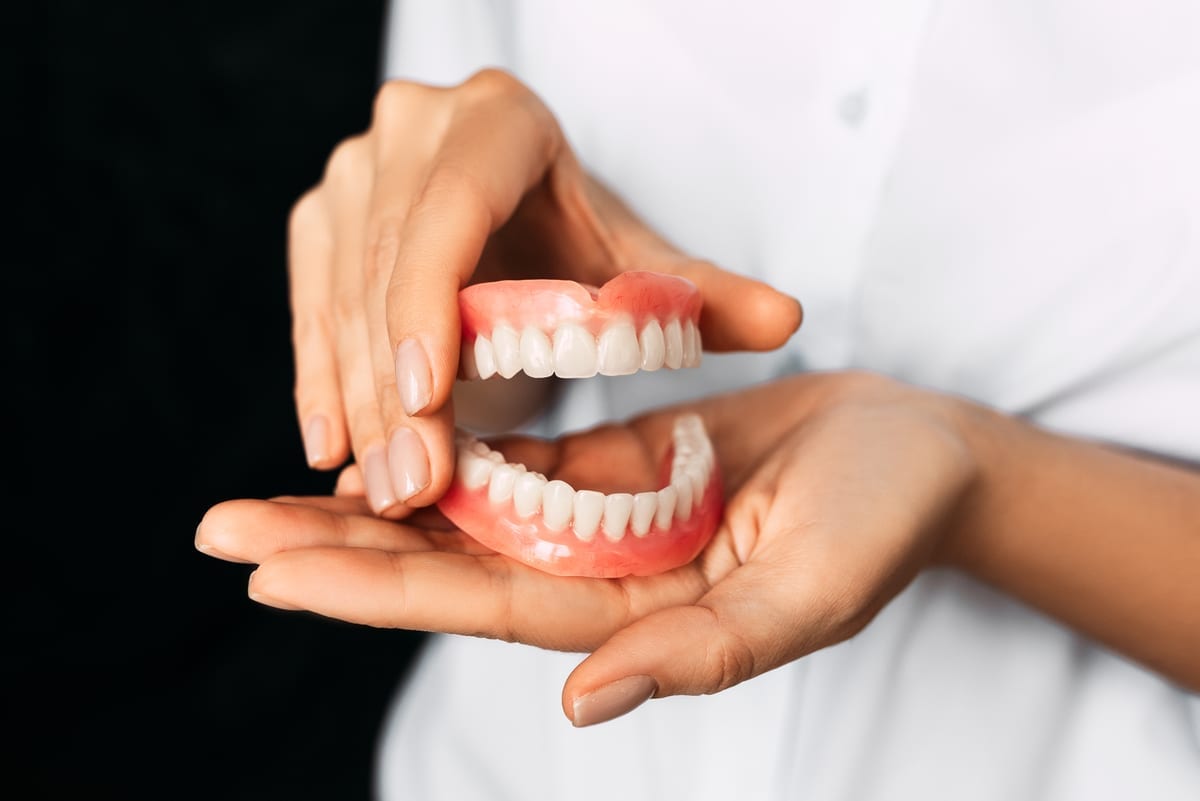
Dental implants offer several advantages over dentures and bridges. They do not slip or shift while eating or speaking. There is no need to remove them at night. They also preserve the jawbone, preventing the bone loss that occurs after tooth loss. This helps maintain your facial structure over time.
Unlike dental bridges, implants do not require reshaping neighboring teeth. Each implant stands independently without affecting surrounding teeth. This makes them a conservative choice for long-term oral health. They are also easy to care for — brushing and flossing as normal is all that is needed. With proper care, implants can last a lifetime. Learn more about our full range of restorative and cosmetic services at Drewyer Dentistry Burtonsville.
Caring for Your Dental Implants After Placement
Aftercare is essential for long-term implant success. Patients should follow all post-surgical instructions carefully. Swelling and mild discomfort are normal in the first few days. Soft foods and gentle rinsing help the area heal properly. Avoiding smoking during recovery significantly improves healing outcomes.
Once healed, implants require the same care as natural teeth. Brush twice daily using a soft-bristled toothbrush. Floss around the implant using implant-specific floss or a water flosser. Routine dental checkups allow our team to monitor implant health. Catching any issues early helps protect your investment for years to come. Visit our about page to learn more about the experienced team caring for your smile.
How Dental Implants Support Overall Oral Health
Tooth loss affects more than just appearance. It can lead to bone deterioration, shifting teeth, and bite problems. Dental implants help prevent all of these issues. By replacing the tooth root, they stimulate the jawbone and keep it healthy. This stabilizing effect benefits the entire mouth over the long term.
Implants also make it easier to eat nutritious foods. Hard foods like apples and nuts are no longer off-limits. Proper nutrition supports overall health, not just oral health. Speaking clearly is also easier with a full set of stable teeth. Many patients report significant improvements in confidence and quality of life after receiving implants. The benefits extend well beyond aesthetics.
If you are curious about whether dental implants are right for you, our dental team is here to help. We take an educational, patient-first approach to all consultations. We want you to feel informed and comfortable before making any decisions. Learn More about how we can help you.
Frequently Asked Questions
How long do dental implants last?
With proper care and regular dental checkups, dental implants can last a lifetime. The titanium post is designed to be permanent. The crown placed on top may need replacement after 10 to 15 years due to normal wear. Good oral hygiene greatly extends the life of all implant components.
Is the dental implant procedure painful?
Most patients experience minimal discomfort during the procedure because local anesthesia is used. Post-surgical soreness is normal and typically manageable with over-the-counter pain relief. Swelling usually subsides within a few days. Our dental team provides detailed aftercare instructions to keep you comfortable throughout recovery.
How many teeth can be replaced with implants?
Dental implants can replace a single tooth, multiple teeth, or even a full arch. Single implants work for individual missing teeth. Implant-supported bridges replace several teeth using fewer implants. Full-arch solutions like implant-retained dentures restore an entire row of teeth. Our dental team will recommend the best option based on your specific needs.
What happens if I do not have enough bone for an implant?
If bone density is insufficient, a bone graft procedure can help. A bone graft adds bone material to the jaw to build volume and strength. After the graft heals, implant placement can proceed as normal. This process adds time to the overall treatment but makes implants possible for more patients.
Can dental implants look natural?
Yes, dental implants are designed to closely match natural teeth. The crown is custom-made to blend with the color, shape, and size of your surrounding teeth. Most people cannot tell the difference between an implant and a natural tooth. Our dental team takes great care to ensure your final result looks seamless and beautiful.