You invested in a brighter smile — now it’s time to protect it. Patients across Spencerville, MD ask us the same question after whitening: How do I keep this brightness from fading? The answer involves more than just brushing twice a day. This guide helps you keep your whitening results strong through smart daily choices, the right products, and timely touch-ups from Dr. Austin D. Drewyer at Drewyer Dentistry Burtonsville.
Why Whitening Results Fade Over Time
Tooth enamel is naturally porous. After whitening, those pores remain slightly open for a short period. Pigments from food and drinks can seep in quickly during this window. That’s why what you do in the first 48 hours matters most.
Even after enamel stabilizes, staining compounds build up gradually. Coffee, tea, red wine, and tobacco are the most common culprits. The brightness you achieve right after treatment will naturally soften over weeks and months. Understanding this helps you take targeted action — not just generic advice.
Genetics also play a role. Some patients retain whitening results for a year or more. Others notice fading within a few months. Your lifestyle habits are the biggest factor you can actually control. That’s great news, because small changes add up to major results.
Daily Habits That Help You Keep Your Whitening Results in Spencerville
Consistent oral hygiene is the foundation of lasting brightness. Brush at least twice a day using a soft-bristled toothbrush. Use a whitening toothpaste with the ADA Seal of Acceptance. This removes surface stains before they set into enamel.
Rinsing your mouth with water after meals makes a real difference. It dilutes staining liquids and washes away food particles. You don’t need to brush immediately after eating — rinsing is fast and effective. Make it a habit after every coffee or tea.
Here are daily habits that protect your whitening investment:
- Drink dark beverages through a straw to limit contact with teeth
- Rinse with water immediately after consuming staining foods or drinks
- Brush before bed every night without exception
- Floss daily to remove buildup between teeth that brushing misses
- Avoid tobacco products, which cause rapid and deep staining
These steps cost you nothing extra. They simply require consistency. Patients in Spencerville who build these habits into their routine see noticeably longer-lasting results between professional treatments.
Foods and Drinks to Limit After Whitening
No food is completely off-limits forever. But some choices accelerate fading much faster than others. Knowing which ones to limit — and when — helps you stay bright without feeling restricted.
The most staining foods and drinks include:
- Coffee and tea — high in tannins that bind to enamel
- Red wine — deeply pigmented and acidic
- Berries — blueberries, blackberries, and pomegranate stain quickly
- Tomato-based sauces — acidic and richly colored
- Soy sauce and balsamic vinegar — dark and enamel-penetrating
- Colored sports drinks and sodas — both staining and erosive
The first 48 hours after whitening are the most critical. During this window, stick to a white diet. Think: chicken, rice, white fish, bananas, and water. After this period, you can reintroduce staining foods — just rinse after consuming them.
Acidic foods also weaken enamel temporarily, making staining worse. Citrus juices, pickles, and vinegar-heavy foods are worth limiting. Strong enamel holds whitening results far longer than weakened enamel. Protecting enamel is just as important as avoiding pigment.
Touch-Up Treatments: How Often and What to Expect
Even with perfect habits, whitening results will eventually fade. That’s completely normal. Touch-up treatments restore brightness without starting from scratch. The frequency depends on your lifestyle and how quickly you personally notice fading.
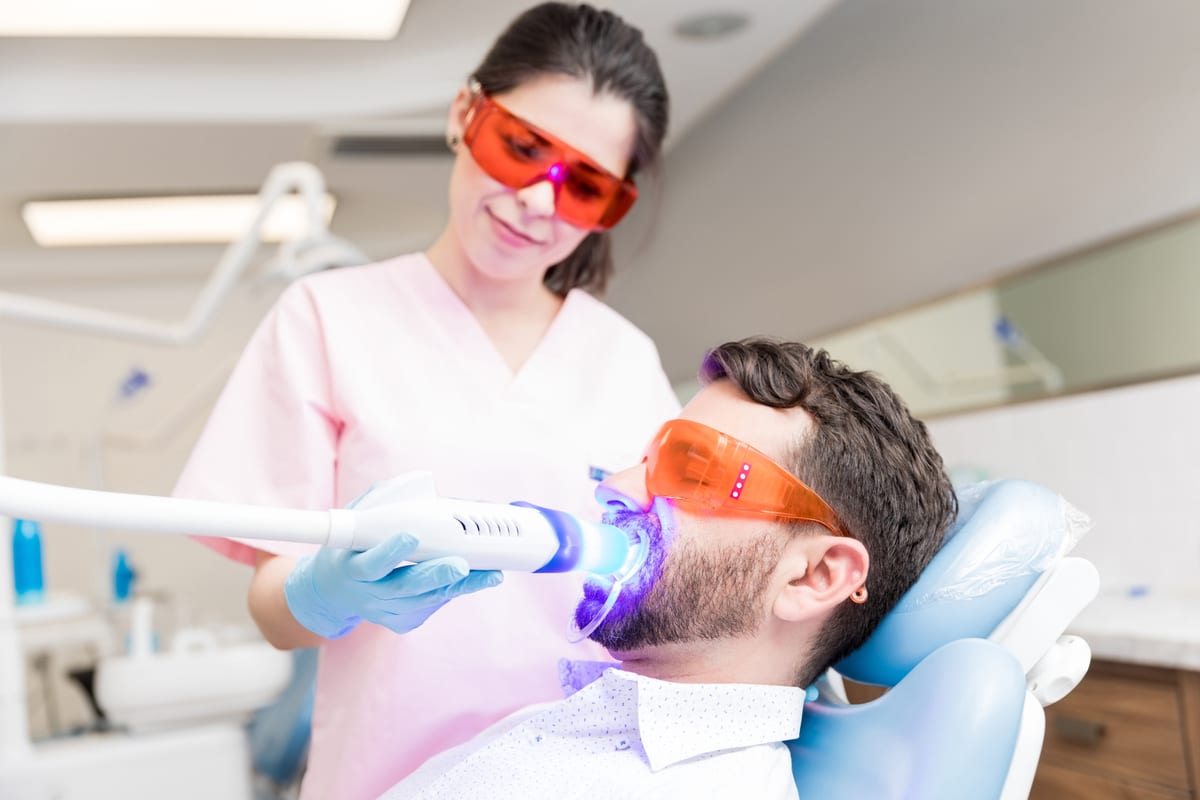
Most patients benefit from touch-up whitening every six to twelve months. If you drink coffee daily or smoke, you may need touch-ups more frequently. At-home touch-up trays from our office are a convenient option. They use professional-strength gel in custom-fitted trays made from your own impressions.
Over-the-counter whitening strips can work for mild maintenance. However, they don’t match the precision of professional trays. The gel concentration is lower, and the fit is less accurate. For meaningful results, professional touch-ups are the smarter choice.
Your routine dental visits are also the right time to discuss whitening. Dr. Drewyer can assess your current shade and recommend when a touch-up makes sense. These visits also allow us to monitor enamel health and address any early signs of wear. Patients who combine good habits with regular visits consistently maintain the brightest smiles.
Products That Support Long-Term Whiteness
The right products extend your results between professional treatments. Not all whitening products are created equal. Some are effective. Others are mildly helpful at best. Choosing wisely saves you time and money.
Whitening toothpastes with mild abrasives help remove surface stains daily. Look for options containing hydrogen peroxide or activated charcoal formulated for enamel safety. Avoid overly abrasive formulas — they can thin enamel over time. Thin enamel actually makes teeth look more yellow, not less.
Whitening mouthwashes add a small boost when used consistently. They won’t dramatically whiten on their own, but they help maintain existing brightness. Use them as part of your nightly routine. They also support gum health, which affects how bright your overall smile appears.
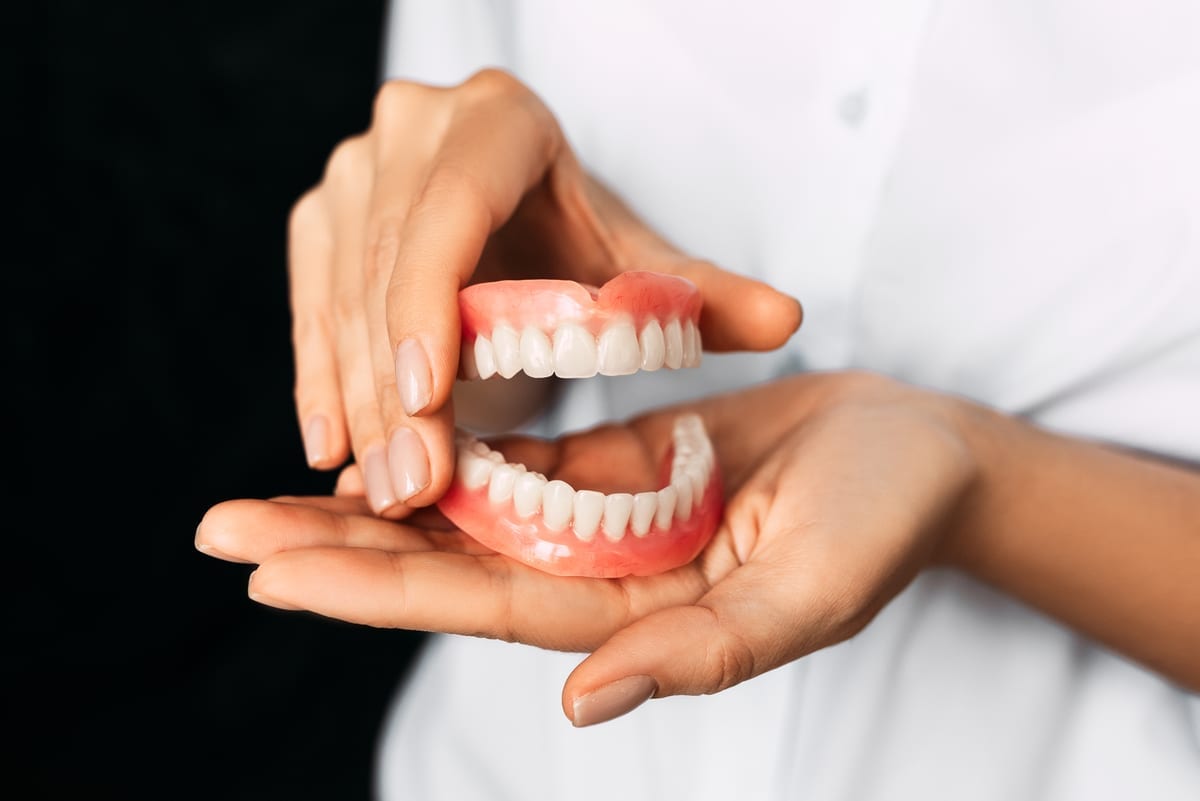
If you’ve had dental work like Crowns Bridges, keep in mind that whitening products don’t change the color of restorations. Crowns and bridges remain their original shade. It’s important to whiten natural teeth to match existing restorations — or update restorations to match newly whitened teeth. Talk to Dr. Drewyer about coordinating your whitening plan with any existing dental work.
Partnering With Your Dentist for Lasting Results
Maintaining whitening results works best as a team effort. You handle the daily habits. We handle the professional care and personalized guidance. Together, that combination produces results that last far longer than either approach alone.
At Drewyer Dentistry Burtonsville, we tailor whitening plans to each patient’s needs and goals. We serve patients throughout Spencerville and the surrounding communities. Our approach is educational and patient-centered — we explain your options clearly so you can make confident decisions.
Patients who ask about network providers often search for a Delta Dental Dentist in the area. We encourage you to verify your specific benefits directly with your plan. Our team is happy to help clarify what information we can provide.
Keeping your smile bright is an ongoing process — and it’s absolutely achievable. With the right habits, smart product choices, and timely touch-ups, your whitening results can last far beyond what most patients expect. Book Now to schedule your appointment with our team.
Frequently Asked Questions
How long do professional whitening results typically last?
Most patients maintain visible results for six months to two years. Your lifestyle habits — especially coffee, tea, and tobacco use — are the biggest factors. Touch-up treatments every six to twelve months help sustain brightness. Consistent daily oral hygiene also plays a major role.
Can I whiten my teeth if I have crowns or veneers?
Whitening gels do not change the color of crowns, veneers, or other restorations. Only natural tooth enamel responds to whitening agents. If you have restorations, it’s important to discuss your whitening goals with Dr. Drewyer first. We’ll help you create a plan that keeps your smile looking consistent and natural.
Is it safe to use whitening toothpaste every day?
Most ADA-accepted whitening toothpastes are safe for daily use. They rely on mild abrasives or low concentrations of peroxide to remove surface stains. Avoid highly abrasive formulas, which can wear down enamel with repeated use. If you’re unsure which product is right for you, ask our team at your next visit.
How soon after whitening can I eat normally?
The first 48 hours after whitening are the most sensitive period. During this time, stick to light-colored foods and avoid staining beverages. After 48 hours, you can resume your normal diet with mindful choices. Rinsing with water after consuming staining foods and drinks helps protect your results long-term.
What’s the difference between in-office whitening and at-home touch-up trays?
In-office whitening delivers faster, more dramatic results in a single appointment. At-home touch-up trays use professional-strength gel in custom trays for gradual maintenance. Both are effective — they simply serve different purposes. Many patients use in-office whitening initially, then maintain brightness with at-home trays between visits.