A missing tooth can feel like a minor inconvenience at first. But understanding why delaying a dental bridge costs you more than money in Burtonsville is essential for protecting your long-term oral health. The consequences of waiting go far beyond appearance. They affect your bite, your bone density, your neighboring teeth, and your overall wellbeing.
At Drewyer Dentistry Burtonsville, Dr. Austin D. Drewyer helps patients understand the real risks of delaying tooth replacement. This article breaks down exactly what happens when you put off treatment — and why acting sooner is almost always the smarter choice.
What Is a Dental Bridge and Why Does It Matter?
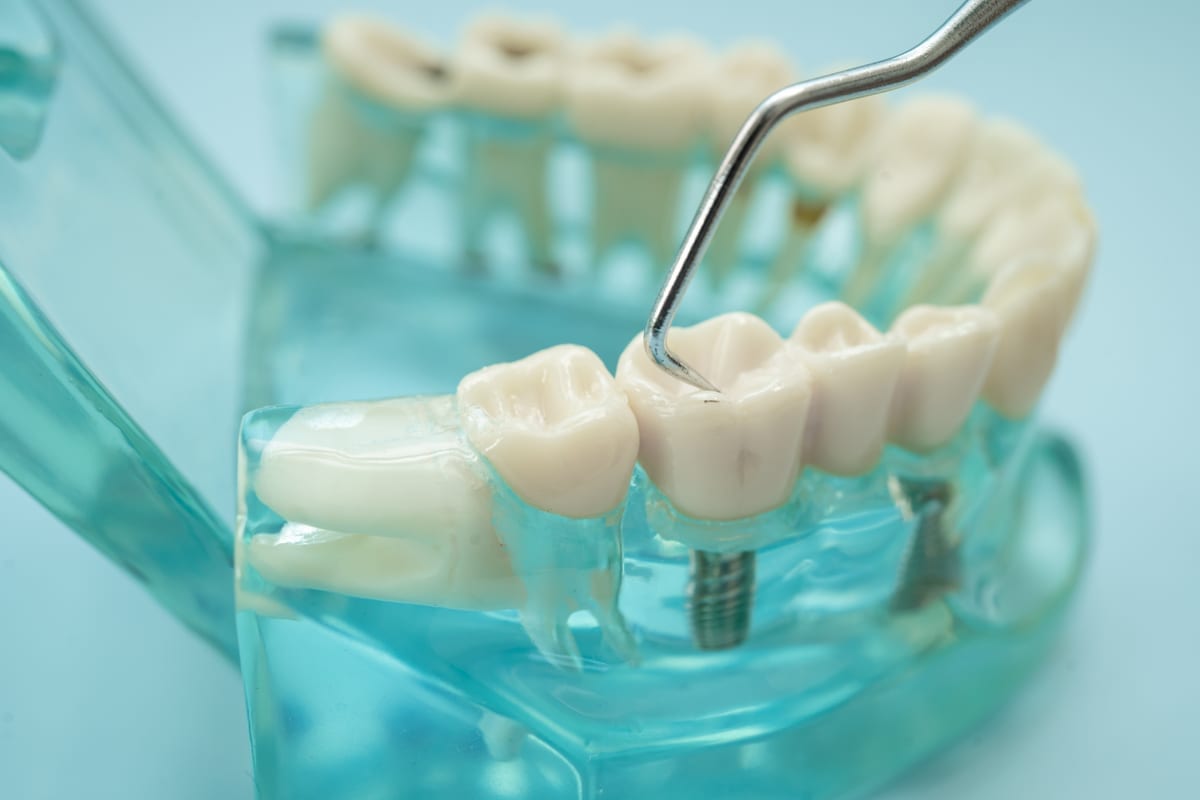
A dental bridge is a fixed restoration that replaces one or more missing teeth. It uses crowns on the neighboring teeth to anchor a prosthetic tooth in the gap. Bridges restore both function and appearance quickly and effectively. For many patients, they represent the most straightforward solution to tooth loss.
If you are researching Crowns Bridges Burtonsville, you already understand that these restorations do more than fill a space. They distribute bite pressure evenly across your teeth. Without a bridge, the remaining teeth bear unequal stress. That imbalance triggers a chain reaction that many patients never anticipate.
Bridges also help maintain the natural alignment of your surrounding teeth. When a gap exists, teeth on either side gradually tilt toward the open space. Even small shifts in alignment can create significant problems over time.
The Hidden Physical Costs of Delaying a Dental Bridge in Burtonsville
Bone loss is one of the most serious consequences of a missing tooth. Your jawbone requires stimulation from tooth roots to maintain its density. Once a tooth is gone, the bone beneath it begins to resorb — or shrink — within weeks. This process accelerates the longer the gap remains unfilled.
Bone loss changes the shape of your face over time. Patients often notice a sunken or aged appearance around the cheeks and jaw. This is not simply cosmetic. Bone loss can eventually make future tooth replacement far more complicated and costly.
Adjacent teeth are also at risk. Without the support of a neighboring tooth, surrounding teeth drift and tilt. This creates uneven contact between upper and lower teeth. Uneven contact causes accelerated enamel wear, jaw pain, and in some cases, temporomandibular joint (TMJ) dysfunction.
Here are the most common physical consequences of waiting too long for a dental bridge:
- Progressive jawbone loss beneath the missing tooth
- Shifting and tilting of adjacent teeth
- Uneven bite pressure leading to enamel erosion
- Increased risk of gum disease in the open gap area
- Facial structural changes due to bone resorption
- TMJ pain and jaw joint stress
Why Delaying a Dental Bridge Costs You More Financially Over Time
Many patients delay treatment because of upfront cost concerns. However, the financial logic of waiting often works against you. A simple bridge placed promptly is almost always less expensive than the cascading treatments required after prolonged delay.
When teeth shift and bone deteriorates, you may eventually need bone grafting before any restoration can be placed. Bone grafts add significant time and cost to your treatment plan. What started as a bridge candidate may become a more complex implant case requiring surgical intervention.
Shifting teeth also create new alignment problems. Those problems may require orthodontic treatment to correct before a bridge or implant can fit properly. Treating misalignment adds another layer of expense that a timely bridge would have prevented entirely.
Consider these financial realities of delayed treatment:
- Bone grafts are significantly more expensive than preventive bridgework
- Orthodontic correction for drifted teeth adds treatment time and cost
- Gum disease treatment may be required before restoration can proceed
- More complex restorations may replace what a straightforward bridge could have addressed
- Multiple follow-up visits increase your total investment over time
How Dr. Drewyer Approaches Dental Bridge Treatment in Burtonsville
Dr. Austin D. Drewyer takes a thorough, patient-centered approach to every bridge consultation. He evaluates the health of your surrounding teeth and gum tissue before recommending any treatment. This ensures that every bridge is placed on a stable, healthy foundation.
The process typically involves two main appointments. During the first visit, Dr. Drewyer prepares the anchor teeth and takes impressions. A temporary bridge protects your teeth while the permanent restoration is custom-made. At the second visit, the final bridge is fitted, adjusted, and bonded in place.
Patients are often surprised by how comfortable and straightforward the process is. Modern materials and techniques make dental bridges more durable and natural-looking than ever before. With proper care, a well-crafted bridge can last many years.
Dr. Drewyer also ensures patients understand how to maintain their bridge at home. Proper brushing, flossing under the bridge, and regular cleanings are key to long-term success. His team provides clear guidance so you feel confident caring for your restoration.
When to Act and What to Expect at Drewyer Dentistry Burtonsville
Dental professionals generally recommend replacing a missing tooth as soon as the extraction site has healed. The longer you wait beyond that window, the more bone loss and shifting can occur. Every month of delay increases the complexity of eventual treatment.
If you are a Delta Dental Dentist Burtonsville patient or simply looking for trusted local care, Drewyer Dentistry Burtonsville is equipped to evaluate your situation thoroughly. Dr. Drewyer will review your dental history, take any necessary X-rays, and discuss all available options with you clearly and honestly.
There is no pressure and no guesswork at this practice. You will leave your consultation with a clear understanding of your current situation and a realistic treatment timeline. That transparency helps patients make informed decisions rather than reactive ones.
Acting sooner protects your bone, your neighboring teeth, your bite, and your budget. Waiting, on the other hand, often turns a manageable situation into a more complex one. The sooner you address a missing tooth, the more options you have available to you.
If you have been putting off tooth replacement, now is a great time to take the next step. The team at Drewyer Dentistry Burtonsville is here to guide you with expertise and care. Book Now to schedule your appointment with our team.
Frequently Asked Questions
How long can I wait before getting a dental bridge?
Most dentists recommend replacing a missing tooth within a few months of extraction. The longer you wait, the more bone loss and tooth shifting can occur. Early treatment preserves more of your natural bone structure and keeps your treatment options straightforward.
Is a dental bridge painful to get?
The procedure is performed under local anesthesia, so most patients experience little to no discomfort during treatment. Some mild soreness around the prepared teeth is normal for a few days afterward. Most patients return to normal activities immediately after their appointment.
How long does a dental bridge last?
With proper care, a dental bridge can last ten to fifteen years or longer. Regular dental cleanings, daily brushing, and flossing under the bridge all contribute to its longevity. Your dentist will monitor the bridge at routine checkups to catch any issues early.
What happens to the bone when I leave a gap untreated?
When a tooth is missing, the jawbone beneath the gap no longer receives stimulation from a root. Without that stimulation, the bone gradually resorbs and shrinks. This process can make future restorations more complicated and may change the contour of your face over time.
Can a dental bridge be placed on any tooth position?
Dental bridges work well for most tooth positions, provided the surrounding anchor teeth are healthy and strong. Your dentist will evaluate the adjacent teeth and gum tissue before recommending a bridge. In some cases, dental implants may be recommended as an alternative or complementary solution.