
Your jaw is shifting — and if you’ve lost a tooth, that process may already be underway. Many Burtonsville residents put off dental implants hoping the problem will stay manageable. But waiting on implants gets costlier over time, both financially and medically. Understanding the warning signs can help you act before the damage becomes harder to reverse.
Why Waiting on Implants Gets Costlier in Burtonsville
When a tooth is missing, the jawbone beneath it begins to shrink. This process is called bone resorption. Your bone needs the stimulation of a tooth root to maintain its density. Without that stimulation, it starts to break down within months.
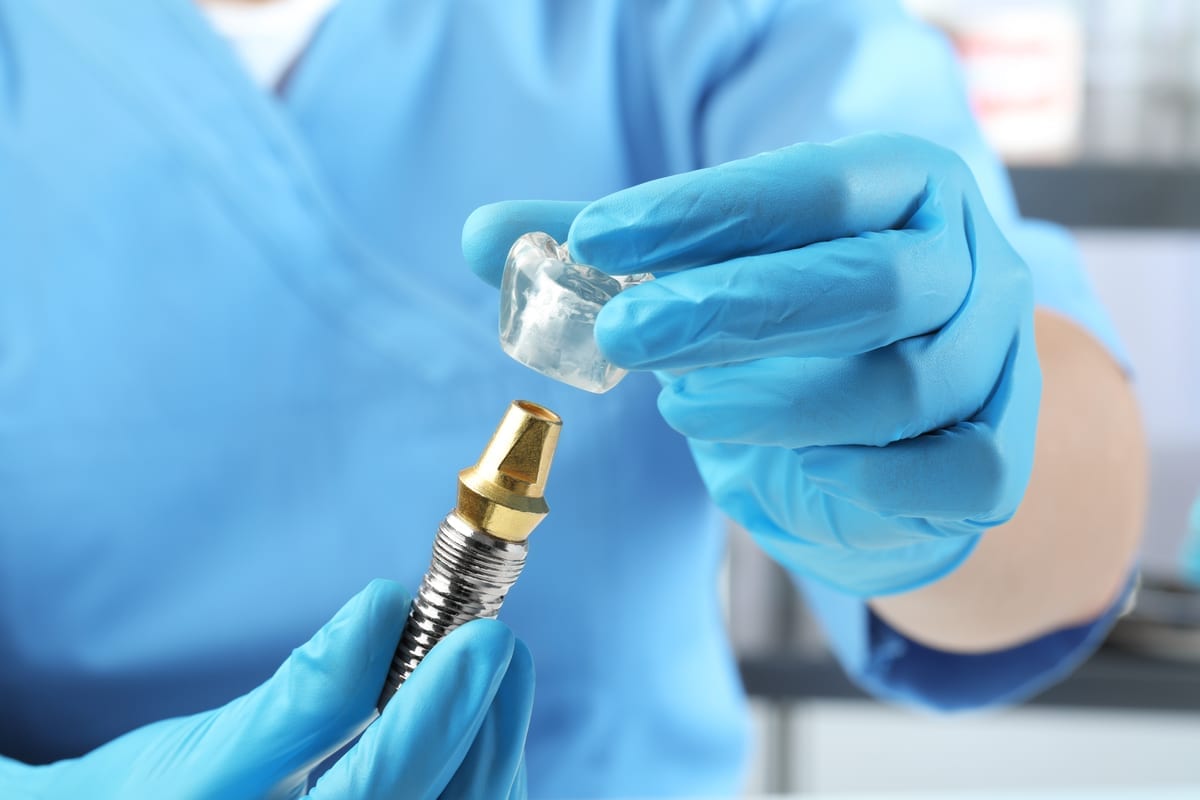
Dental implants are the only tooth replacement option that mimics a natural root. They integrate directly into the bone. This stops resorption and preserves your jaw’s structure. Every month you wait, that window for simpler treatment narrows.
In Burtonsville, patients often tell Dr. Austin D. Drewyer they waited because they felt fine. But bone loss is rarely painful in its early stages. By the time it hurts, the damage is often significant.
Warning Signs You’ve Waited Too Long for an Implant
Your body sends clear signals when bone loss and tooth shifting have progressed. Learning to recognize them early can make a real difference in your treatment options. Here are the most common warning signs Dr. Drewyer sees at Drewyer Dentistry Burtonsville:
- Visible gaps widening between teeth — neighboring teeth drift into empty spaces over time
- A sunken or aged appearance around the mouth — bone loss changes your facial shape noticeably
- Difficulty chewing certain foods — missing back teeth shift biting forces unevenly
- Loose or shifting teeth — teeth lose stability when surrounding bone weakens
- Frequent gum soreness — exposed tissue in gap areas becomes irritated easily
- Changes in your bite — misalignment causes jaw pain and headaches over time
If any of these sound familiar, it’s worth scheduling an evaluation soon. These signs rarely improve on their own. They tend to compound and become more complex to treat.
How Shifting Teeth Create a Cascade of Problems
One missing tooth can seem minor. But your teeth rely on each other for support and alignment. When one is gone, neighboring teeth begin to tilt toward the gap. Opposing teeth may also shift upward or downward to fill the space.
This movement puts uneven pressure on your remaining teeth. That pressure accelerates wear and can crack healthy enamel. Over time, you may need additional restorative work like Dental Bonding to repair damaged surfaces.
Misaligned teeth are also harder to clean properly. Food and bacteria collect in new crevices. That raises your risk for cavities and gum disease significantly. What started as one missing tooth can quietly become a whole-mouth problem.
At Drewyer Dentistry Burtonsville, Dr. Drewyer often works with patients who need multiple treatments by the time they seek implant care. Earlier intervention almost always means simpler, less expensive treatment overall.
What Happens to Your Jawbone Without an Implant
Bone loss after tooth loss is not just cosmetic. It affects the structural foundation of your entire mouth. In the first year after tooth loss, you can lose up to 25% of bone width in that area. That percentage increases each passing year.
Significant bone loss can make implant placement more complex. In some cases, a bone graft is needed before an implant can be placed. Bone grafting adds time, cost, and healing stages to your treatment plan. Acting earlier avoids that added layer of complexity.
For patients who also have deep grooves or enamel concerns, preventive care like Dental Sealants can help protect remaining teeth while implant planning is underway. Protecting what you have is just as important as replacing what’s gone.
- 0–3 months after tooth loss: Bone resorption begins almost immediately
- 3–12 months: Noticeable bone width reduction starts affecting neighboring teeth
- 1–3 years: Bone height loss begins, complicating future implant placement
- 3+ years: Significant bone deficiency may require grafting before implants
This timeline shows why acting sooner is so much better than waiting. The bone you preserve now is bone you don’t have to rebuild later.
Why Dental Implants Are Worth Addressing Now
Dental implants are a long-term investment in your oral and overall health. They function like natural teeth. You brush and floss them normally. They don’t slip or require removal like dentures.
More importantly, they stop bone loss at the source. Once an implant integrates with your jaw, it stimulates bone just like a natural root. Your face retains its shape. Your bite stays balanced. Your remaining teeth have less reason to shift.
Dr. Drewyer at Drewyer Dentistry Burtonsville takes a thorough, patient-first approach to implant consultations. He evaluates your current bone density, your bite alignment, and your overall dental health. From there, he creates a treatment plan that makes sense for your specific situation — not a one-size-fits-all solution.
Patients who act within the first year of tooth loss often have the smoothest implant experiences. The bone is healthier. The placement is more predictable. The results tend to last longer. Waiting, unfortunately, works against all of those factors.
Take the Next Step at Drewyer Dentistry Burtonsville
If your jaw is shifting or you’ve noticed any of the warning signs above, now is the time to talk to a professional. Bone loss is progressive, but it is also preventable when addressed early. Dr. Austin D. Drewyer and the team at Drewyer Dentistry Burtonsville are here to guide you through your options clearly and without pressure.
You deserve a complete, healthy smile — and a treatment plan that fits your life. Book Now to schedule your appointment with our team.
Frequently Asked Questions
How soon after losing a tooth should I consider a dental implant?
Ideally, you should consult with a dentist within the first few months of losing a tooth. Bone resorption begins quickly after extraction. Early evaluation gives you the most implant options and may reduce the need for additional procedures like bone grafting.
Can I get a dental implant if I’ve already had significant bone loss?
Yes, in many cases you still can. However, advanced bone loss may require a bone graft before implant placement. This adds time and steps to treatment. That’s why earlier evaluation generally leads to simpler, more straightforward care.
What does it feel like when teeth start shifting?
You might notice small gaps forming between teeth, changes in how your bite feels, or difficulty chewing certain foods. Some patients experience jaw soreness or headaches. These are signs that your bite alignment is changing and should be evaluated promptly.
Are dental implants a permanent solution?
Dental implants are designed to be a long-term, stable solution. With proper care — brushing, flossing, and regular dental visits — implants can last many years or even decades. They are widely considered the most durable tooth replacement option available today.
Does Drewyer Dentistry Burtonsville offer consultations for dental implants?
Yes. Dr. Austin D. Drewyer offers thorough implant consultations at Drewyer Dentistry Burtonsville. During your visit, he will review your bone health, take any necessary imaging, and discuss which treatment path makes the most sense for your situation.