
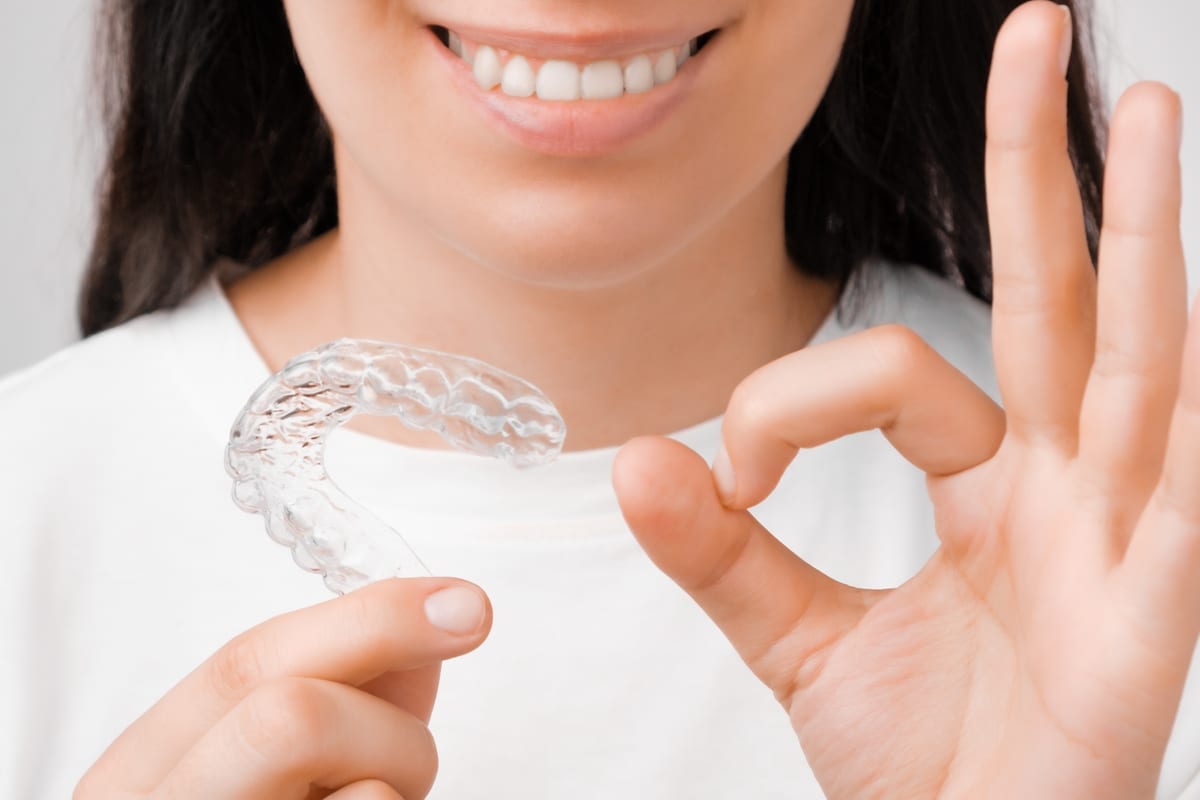
You did it. You wore every aligner, attended every check-in, and your smile looks amazing. But here is something many West Laurel patients don’t expect: your Invisalign journey isn’t over: why retainers are non-negotiable in West Laurel is a conversation every patient needs to have. The retention phase is just as important as the treatment phase itself. Skipping it can undo months — or even years — of hard work.
What Is Retention and Why Does It Matter in West Laurel?
Retention is the phase that follows active orthodontic treatment. Once your aligners have moved your teeth into their ideal positions, those teeth need time to stabilize. The bone and connective tissue around each tooth have to adjust to the new alignment.
Without retention, teeth don’t simply stay put. They begin drifting back toward their original positions almost immediately. This process is called relapse, and it is more common than most patients realize.
For West Laurel patients who have invested significant time and effort into their smile, relapse is a frustrating and preventable outcome. A well-fitted retainer is the single most effective tool to protect your results long-term.
Why Retainers Are Non-Negotiable After Invisalign
After Invisalign treatment ends, the periodontal ligaments that connect your teeth to your jawbone are still elastic. They have a kind of memory. They want to pull your teeth back to where they used to be.
Retainers counteract this natural tendency. They hold your teeth firmly in position while the surrounding bone density rebuilds. This process takes months, not weeks.
Here is what can happen if you skip or neglect your retainer:
- Teeth begin shifting within days of stopping wear
- Gaps or crowding can return, sometimes significantly
- Your bite alignment may change, causing jaw discomfort
- You may need additional orthodontic treatment to correct the relapse
- The cost and time investment of your original treatment becomes wasted
Dr. Austin D. Drewyer emphasizes that retainer compliance is not optional. It is the final — and ongoing — step of your orthodontic care plan.
Types of Retainers: What Are Your Options?
Not every retainer looks or functions the same way. There are two main categories your dentist may recommend after Invisalign treatment.
Removable retainers come in two forms. The first is a clear plastic retainer, similar in appearance to an Invisalign aligner. The second is a Hawley retainer, made from acrylic and metal wire. Both must be worn consistently to be effective.
Fixed retainers are thin wires bonded to the back surfaces of your front teeth. They are invisible from the outside and require no daily effort to wear. However, they do require extra care when flossing and regular dental checkups to ensure they remain intact.
At Drewyer Dentistry Burtonsville, Dr. Drewyer will evaluate your specific case and recommend the retainer type best suited to your smile and lifestyle. Many patients benefit from a combination of both approaches.
How Long Will You Need to Wear a Retainer?
This is one of the most common questions patients ask after completing Invisalign. The honest answer: for a very long time — and for many people, indefinitely.
Here is a general retention timeline most dental professionals follow:
- Months 1–6: Wear your retainer full-time, removing only to eat and brush.
- Months 6–12: Transition to nighttime-only wear as directed by your dentist.
- Year 1 onward: Continue nightly wear to maintain your results permanently.
Teeth are living structures. They respond to pressure, age, and daily use throughout your entire life. Even patients who completed orthodontic treatment decades ago can experience shifting without retainer use.
Think of retainer wear as a small nightly habit that protects a major investment. Most patients find it becomes second nature within a few weeks.
Caring for Your Retainer the Right Way
A retainer only works if it fits properly and stays clean. Poor maintenance leads to bacterial buildup, unpleasant odors, and potential damage to the appliance itself.
Follow these best practices to get the most out of your retainer:
- Rinse your retainer with cool water every time you remove it
- Brush it gently with a soft toothbrush — avoid toothpaste, which can scratch the surface
- Soak it in a retainer-cleaning solution or diluted white vinegar weekly
- Store it in its protective case when not in use
- Never leave it near heat sources, including hot water or direct sunlight
- Bring it to every dental visit so your dentist can check its fit
If your retainer cracks, warps, or no longer fits correctly, contact your dental office right away. A poorly fitting retainer provides little protection and can even cause unwanted movement.
Protecting Your Smile: The Bigger Picture
Orthodontic retention connects closely to your broader oral health routine. Straight teeth are easier to clean effectively, which reduces your risk of cavities and gum disease over time. Maintaining your alignment protects that advantage.
Patients at Drewyer Dentistry Burtonsville also benefit from complementary preventive services. For example, Dental Sealants can add another layer of protection to hard-to-reach tooth surfaces, especially useful when your bite alignment is ideal. Additionally, treatments like Dental Bonding can address minor cosmetic concerns that may accompany the post-Invisalign phase of your smile journey.
Combining retention habits with regular professional care gives West Laurel patients the strongest foundation for a lasting, healthy smile. Dr. Drewyer and the team are here to guide every step of that process.
Your Next Step Toward a Lasting Smile
Finishing your Invisalign treatment is a genuine milestone worth celebrating. But the best way to honor that achievement is to protect it with a consistent retention plan. Your retainer is not a burden — it is a safeguard for everything you have already accomplished.
Whether you just completed treatment or you have questions about retainer options, the team at Drewyer Dentistry Burtonsville is ready to help. West Laurel patients deserve personalized guidance from a dental professional who understands the full scope of orthodontic care. Book Now to schedule your appointment with our team.
Frequently Asked Questions
How soon after finishing Invisalign do I need to start wearing a retainer?
You should begin wearing your retainer immediately after your final Invisalign aligner. Teeth can start shifting within just a few days of finishing treatment. Your dentist will provide your retainer at or shortly after your final appointment to ensure there is no gap in protection.
What happens if I forget to wear my retainer for a few nights?
Missing a few nights occasionally may cause minor temporary shifting. However, if your retainer feels tight when you put it back in, that is a sign movement has already begun. Wear it consistently and contact your dentist if it no longer fits comfortably. Do not force a tight retainer — it may need to be replaced.
Can I whiten my teeth while wearing a retainer?
You should not use whitening products inside your retainer unless it is specifically designed for that purpose. However, professional teeth whitening treatments can safely be performed at your dental office. Ask Dr. Drewyer about the best timing for whitening relative to your retention schedule.
How often should I replace my clear retainer?
Clear plastic retainers typically last one to three years with proper care, depending on how frequently you wear them and how well you maintain them. Signs it is time to replace your retainer include cracks, cloudiness that won’t clean away, an uncomfortable fit, or noticeable warping. Regular dental checkups will help monitor your retainer’s condition.
Is it too late to get a retainer if my teeth have already shifted after Invisalign?
It depends on the degree of shifting that has occurred. Minor movement can sometimes be addressed with a new retainer or a short round of refinement aligners. More significant relapse may require retreatment. The sooner you address the issue, the more options you will have. Schedule a consultation with Dr. Drewyer to assess your current alignment.